How much does sandblasting typically cost?
Sandblasting costs vary based on project size, surface condition, material type, and the level of preparation required. Factors include square footage, accessibility, coating removal complexity, and whether additional steps like masking or post-blast cleaning are needed. For accurate pricing, we evaluate each project individually to account for specific requirements and provide a fair, transparent quote. Contact us with your project details for a detailed estimate tailored to your needs.
What types of materials can you sandblast?
We sandblast a wide range of materials including steel, aluminum, stainless steel, cast iron, and other metal substrates commonly used in industrial and architectural applications. Our abrasive media and blasting parameters are selected based on material type, thickness, and intended coating system to ensure proper surface preparation without damaging the substrate. We handle everything from structural steel to precision-machined components with controlled, repeatable processes.
How long does the sandblasting process take?
Turnaround time depends on project scope, component size, surface condition, and current production schedules. Smaller jobs may be completed within a few days, while larger or more complex projects require additional time for thorough preparation and quality verification. We prioritize dependable scheduling and clear communication so you can plan production accordingly. Contact us with your timeline requirements, and we'll provide a realistic estimate based on your specific project.
Do you provide pick-up and delivery services?
Yes, we offer pick-up and delivery services throughout the Tampa Bay area, including Clearwater, New Port Richey, Tarpon Springs, and surrounding communities. This helps streamline your workflow by eliminating transportation logistics. Our team coordinates scheduling to fit your production needs and ensures components are handled carefully during transport. Contact us to arrange pick-up for your sandblasting or powder coating project.
Can sandblasting remove heavy rust and old coatings?
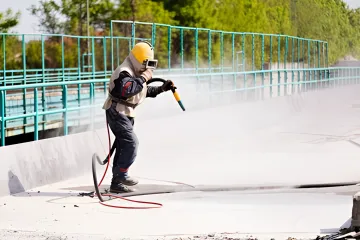
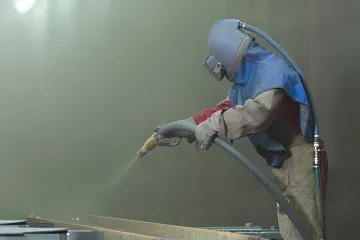
Absolutely. Our abrasive and grit blasting services are specifically designed to remove heavy rust, scale, old paint, and stubborn coatings down to clean substrate. We use controlled media selection and blasting techniques to achieve thorough cleaning while creating the proper anchor profile for new coatings. This ensures optimal adhesion and long-term coating performance, especially critical in Florida's humid, corrosive coastal environment.
What surface profile do you achieve after sandblasting?
Surface profile is tailored to your coating system's requirements. We control blasting parameters—media type, pressure, and technique—to achieve the anchor profile specified by your coating manufacturer or project standards. Typical profiles range from light texturing for thin coatings to aggressive profiling for heavy-duty industrial systems. Each surface is inspected before coating to verify consistency and compliance with technical specifications.
Do you handle both small and large-scale projects?
Yes. Our 10' × 10' × 30' production oven allows us to handle oversized components and high-volume production runs, while our process-driven approach ensures smaller jobs receive the same attention to quality and detail. Whether you need a single part prepared or ongoing production support, we deliver consistent results with reliable turnaround times. Our capacity supports manufacturers and fabricators of all sizes.
Is sandblasting necessary before powder coating?
Proper surface preparation is essential for coating performance and longevity. Sandblasting removes contaminants, rust, mill scale, and old coatings that interfere with adhesion. It also creates the anchor profile needed for powder to bond mechanically and chemically to the substrate. Skipping or rushing surface prep leads to coating failure, peeling, and costly rework—especially in coastal climates like Clearwater where humidity and salt air accelerate corrosion.